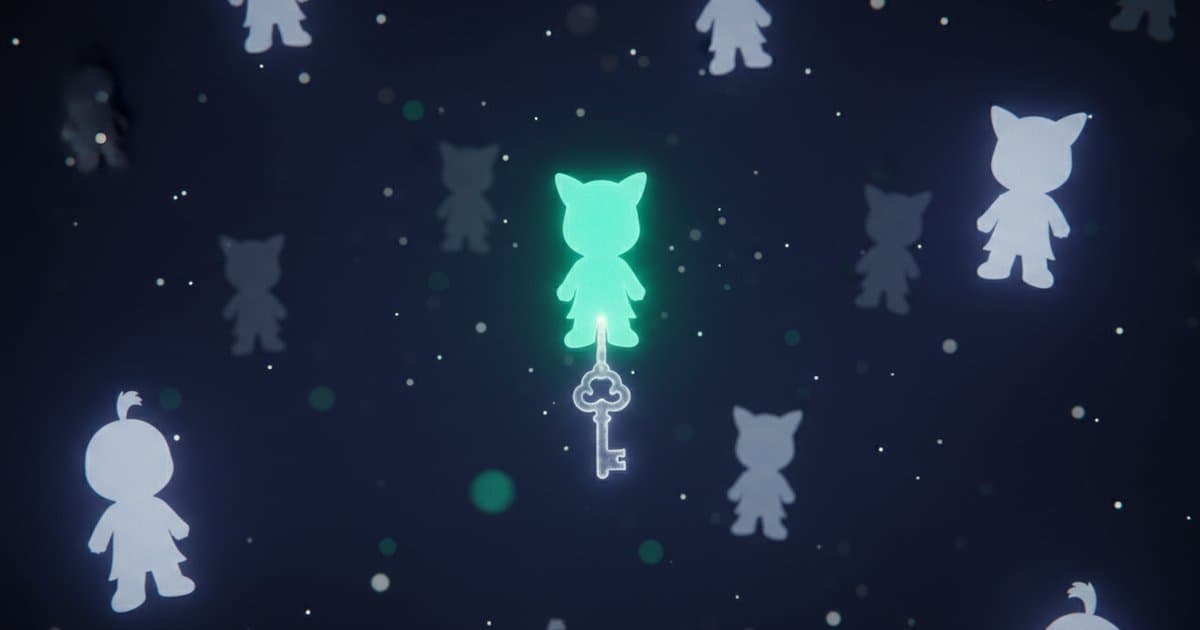
What does a "dormant" animation character actually mean for a small studio's business?
A dormant character is one that has been created but never formally licensed or commercialized. It exists in a folder, often across multiple drives, with no registration, no chain-of-title documentation, and no clear record of who owns it.
Most studios with five or more years of operation have between 20 and 200 characters in this state. They were built for a pitch that didn't land, a series that didn't get greenlit, or a project that wound down before the character made it to screen. The studio holds the rights. They just have no practical infrastructure to do anything with them.
This is the gap that licensing conversations require you to close first.
According to Licensing International's 2024 report, character and entertainment licensing is the second-largest category in the global licensing industry, which generated $340 billion in revenue in 2024. The animation market is growing at approximately 5% CAGR through 2028, driven by streaming demand. The studios participating in that growth are not only the large ones. The difference is infrastructure, not catalog size.
How do small animation studios start a licensing conversation with no in-house licensing team?
There are two entry points into licensing conversations: inbound and outbound.
Inbound is when a potential partner approaches the studio asking whether a character is available. This happens more often than studios expect, particularly for characters with existing audience recognition or distinctive design. The challenge is being ready to respond. A partner asking about a character needs documentation quickly. If the studio takes two weeks to pull together ownership records, the conversation often doesn't survive the delay.
Outbound is when the studio pitches a catalog to a potential licensee, typically a consumer products company, toy manufacturer, or streaming platform. This requires the same documentation plus a clear and organized presentation of what's available.
Both paths lead to the same requirement: a clean, centralized record of what the studio owns, with proof of ownership and creation date for each character.
For a studio without a licensing team, the practical first step is building that catalog. A registered IP portfolio functions as a catalog. Each certificate shows what the character is, when it was created, and that the studio holds the rights. That's the starting document for any licensing conversation.
What documentation do licensing partners typically require before signing a deal?
Broadcasters and streaming platforms request chain-of-title documentation before finalizing license agreements. This is standard practice, not a negotiating tactic. It protects the licensee from acquiring rights to IP that has an unresolved ownership dispute or a prior claim.
Chain-of-title documentation typically covers three things:
- Who created the character, and when.
- Whether any third-party rights are involved, from contractors or co-production agreements.
- That the studio currently holds clear ownership without prior encumbrances.
Most small studios cannot produce all three components quickly. Creation dates are scattered across file systems. Contractor agreements may be informal or incomplete. There is no centralized ownership record. The financial cost of that gap, when a deal stalls or falls through, is covered in detail in The Real Cost of Not Protecting Your Creative IP.
Licensing International 2024: character and entertainment licensing generated $340 billion in global revenue, making it the second-largest category in the global licensing industry.
The WIPO 2022 white paper on on-chain technology and IP noted that on-chain registration simplifies cross-border licensing by providing globally accessible, tamper-proof proof of ownership. For studios pursuing international deals, that accessibility matters: a certificate generated in one jurisdiction is verifiable anywhere.
How does having registered IP speed up the licensing process?
A studio with registered IP can respond to a documentation request within hours, not weeks.
The dashboard shows every character the studio has registered, with its certificate, creation timestamp, and ownership record attached. A licensing partner asking for chain-of-title documentation receives a verifiable certificate rather than a folder of PDFs assembled from scattered drives.
For EU licensing deals, the eIDAS Qualified Timestamps embedded in each certificate carry legal presumption of accuracy across all 27 member states. That removes an evidentiary burden that would otherwise require the studio to prove the timestamp's reliability separately in each jurisdiction.
For studios without a licensing department, this infrastructure replaces what a team of people would otherwise handle. Registration is the first step. Once a catalog exists, the conversation becomes possible.
Activating a dormant character starts with knowing what you own and proving it. Registration creates the documentation that licensing partners require before any deal can move forward. The catalog builds as each character is registered, and the first licensing conversation becomes possible the moment that documentation exists.
Registration starts at $25 per IP. For creators and studios preparing for their first licensing deal, the pricing page covers the full catalog options, including the founding studio offer for early partners.